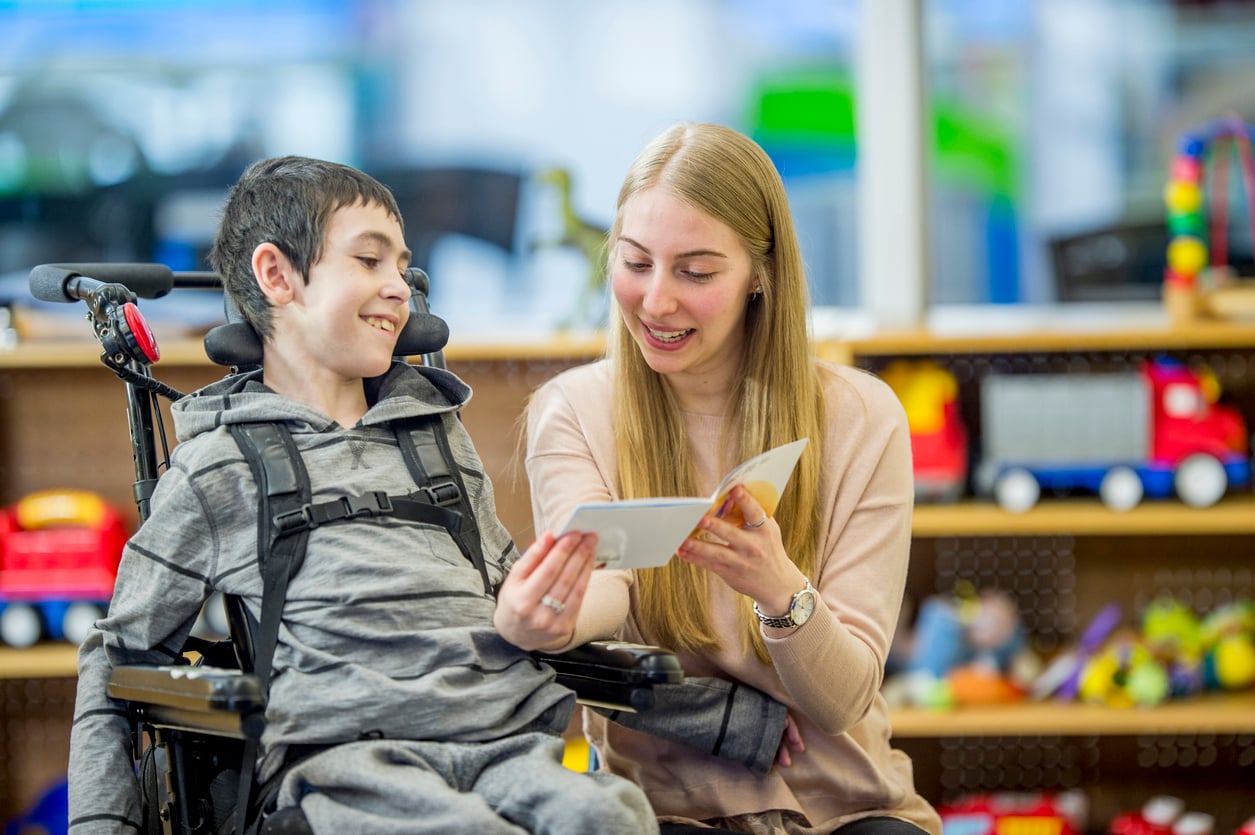
When people think about schools, they usually picture teachers leading lessons at the front of the room. But if you look a little closer, you’ll often see another professional quietly working alongside students: an educational assistant (EA).
They might be helping a child with reading, offering encouragement during a math activity, or walking with a student who needs extra support. They may not always be in the spotlight, but EAs are essential to the smooth running of a classroom.
But what exactly does an educational assistant do? Let’s take a closer look at this rewarding role and find out why EAs are such an important part of today’s classrooms.
IN THIS BLOG
- What Does an Educational Assistant Do?
- What are the Key Responsibilities of an Educational Assistant?
- What Does a Typical Day Look Like for an Educational Assistant?
- What Skills Does an Educational Assistant Need?
- Why Do Educational Assistants Matter?
- How Do You Become an Educational Assistant?
- FAQs
WHAT DOES AN EDUCATIONAL ASSISTANT DO?
An educational assistant (EA) supports teachers and students in the classroom. They help students with learning, behaviour, and personal needs, so that every child can participate fully in school.
While teachers plan lessons and deliver instruction, EAs make sure students get the attention, guidance, and encouragement they need to fully participate. Their role is especially important in classrooms where students have diverse learning needs or behavioural challenges.
Think of an EA as the steady bridge between a teacher’s instruction and a student’s success.
WHAT ARE THE KEY RESPONSIBILITIES OF AN EDUCATIONAL ASSISTANT?
The duties of an EA can vary from school to school, and even from classroom to classroom. However, most EAs take on a mix of responsibilities that can be grouped into a few main categories.
Academic Support
EAs often work directly with students who need extra help to grasp classroom material. This might look like:
- Sitting with a student to explain instructions in a simpler way
- Guiding small groups through reading practice
- Helping a child complete a math problem step by step
- Providing immediate feedback so students stay motivated
Special Needs Support
Many educational assistants specialize in supporting children with disabilities, developmental delays, or behavioural challenges. Tasks could include:
- Assisting a student with mobility needs around the classroom
- Using strategies to calm a child experiencing sensory overload
- Helping a student practise social or communication skills
- Working closely with specialists (like speech-language pathologists or occupational therapists) to reinforce goals
Social & Emotional Support
Learning isn’t only academic—students also need emotional safety to thrive. EAs often:
- Encourage students who are frustrated or anxious
- Act as a trusted adult when a child needs someone to talk to
- Model positive behaviours like patience and teamwork
- Help students build resilience and independence over time
Practical Assistance
These behind-the-scenes tasks may not be glamorous, but they keep classrooms running smoothly:
- Preparing materials for lessons
- Setting up learning stations or technology
- Supervising transitions between activities or during recess and lunch
- Assisting with classroom organization and cleanup
Teamwork & Communication
EAs are vital members of the education team. They:
- Communicate with teachers about student progress and challenges
- Share observations that help shape lesson adaptations
- Collaborate with parents and specialists to provide consistent support
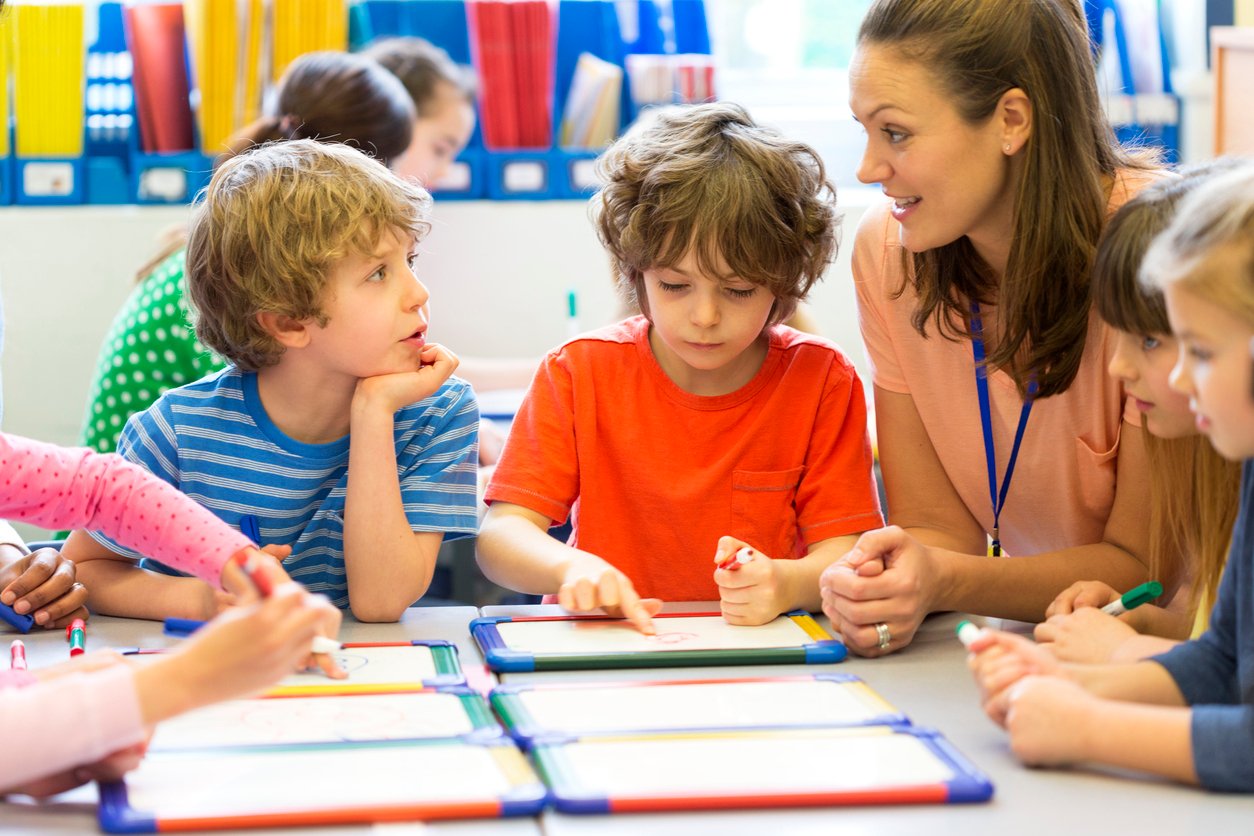 Educational assistants work with a broad range of students
What Does a Typical Day Look Like for an Educational Assistant?
An educational assistant’s day often begins by greeting students and helping them settle into routines, which might include offering calm reassurance, setting up assistive tools or devices, or preparing visual schedules that make the day predictable and comfortable. During lessons, EAs may work one-on-one with students who need extra guidance, breaking instructions into smaller steps, adapting activities, or using alternative communication methods to ensure understanding.
Throughout the day, EAs also provide crucial emotional support—helping students regulate their feelings, redirecting behaviour in positive ways, and celebrating every small success. They might accompany a child to therapy sessions or collaborate with specialists to reinforce strategies in the classroom.
At recess or lunch, EAs encourage social interaction, supervise play to ensure safety, and step in to guide students through challenging moments.
At the end of the day, they help with transitions, tidy materials, and often meet briefly with teachers to reflect on progress and plan next steps.
WHAT SKILLS DOES AN EDUCATIONAL ASSISTANT NEED?
The personal qualities an EA brings to the job can make all the difference. Some of the most valuable skills include:
- Patience and empathy: Understanding that learning takes time, and that every student has unique needs
- Communication: Listening closely, giving clear instructions, and building trust with both students and colleagues
- Adaptability: Classrooms are dynamic—being flexible helps EAs respond to changing situations
- Problem solving: Finding creative solutions when a student is struggling or disengaged
- Team spirit: Working closely with teachers and specialists to create a supportive environment
WHY DO EDUCATIONAL ASSISTANTS MATTER?
Educational assistants are key in shaping the classroom experience for both students and teachers.
By providing encouragement and guidance, they help children build confidence and develop a sense of pride in their abilities. With an EA by their side, students who might otherwise struggle often find the motivation and support they need to succeed.
At the same time, teachers benefit greatly from having an extra set of hands in the classroom. With EAs taking on direct support tasks, teachers can focus more on delivering lessons and planning meaningful learning experiences, rather than trying to stretch themselves too thin.
Perhaps most importantly, educational assistants are champions of inclusion. They ensure that students of all abilities can participate fully in classroom life, making school a welcoming place for everyone. For many children, an EA becomes a special adult who believes in them, cheers them on, and helps them discover what they’re truly capable of.
 EAs make a real difference
HOW DO YOU BECOME AN EDUCATIONAL ASSISTANT?
To become an educational assistant, you’ll need to complete a training program at a college. Most EA programs take less than a year to complete and cover topics like child development, special needs support, and classroom management.
An educational assistant program will give you:
- A strong understanding of child development and learning strategies
- Tools for supporting students with special needs
- Hands-on experience in classrooms so you can practise real-world skills
- Confidence to step into the role on day one
FREQUENTLY ASKED QUESTIONS
GET YOUR EDUCATIONAL ASSISTANT CAREER STARTED
Herzing’s Educational Assistant program is designed to produce graduates who can support students with diverse needs. You’ll be guided by experienced instructors as you gain the skills and confidence to make an immediate difference in schools.
Click below to get full program details and chat live with an admissions advisor. We’re here to help!